Ceremonial vs Culinary Grade Matcha: The Complete Guide to Choosing the Right Matcha

Ceremonial vs Culinary Grade Matcha: The Complete Guide to Choosing the Right Matcha
If you’ve recently started exploring the world of premium matcha, you’ve probably come across two terms that seem to appear everywhere: ceremonial grade matcha and culinary grade matcha. At first glance, the distinction might seem like clever marketing, but the difference between these two grades is very real — and knowing which to choose can completely transform your matcha experience. Whether you’re sipping a quiet morning bowl, blending a creamy latte, or baking green tea cookies, choosing the right grade of matcha is the foundation of getting it right.
What Is Ceremonial Grade Matcha?
Ceremonial grade matcha is the highest quality matcha available, traditionally used in Japanese tea ceremonies. It is made exclusively from the youngest, most tender tea leaves harvested from plants that have been shaded for three to four weeks before picking. This shading process — a technique perfected in Japan’s most celebrated growing regions, including Uji, Kyoto — dramatically increases the chlorophyll content of the leaves, giving ceremonial matcha its characteristic vivid, deep green colour and intensely smooth, umami-rich flavour.
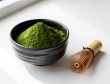
After harvesting, only the finest leaves (called tencha) are selected and stone-ground into a fine powder at extremely slow speeds to prevent heat from damaging the delicate flavour compounds. The result is a silky, bright green matcha with almost no bitterness, a creamy texture, and a naturally sweet, grassy finish. The best matcha powder in the ceremonial category will have a vibrant jade-green hue — never olive or dull — and a fresh, vegetal aroma that is both complex and clean.
Ceremonial grade matcha is designed to be enjoyed simply — whisked with hot water using a bamboo chasen, without milk, sweetener, or other additions. This is the purest way to appreciate its full flavour profile, and it is precisely the approach used in the Japanese chado (the way of tea) tradition.
What Is Culinary Grade Matcha?
Culinary grade matcha is produced from slightly older tea leaves, often harvested in later seasons. These leaves tend to be more robust but carry a stronger, more astringent, and occasionally bitter flavour profile. The colour of culinary grade matcha typically skews more yellow-green, and the powder may be slightly coarser than ceremonial grade.
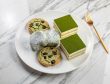
However, that stronger flavour is actually an advantage in cooking and baking. When matcha is blended with milk, sweeteners, eggs, cream, or other bold ingredients, the delicate notes of a ceremonial grade tea can be completely overwhelmed — and using it this way is essentially wasting your money. Culinary grade matcha holds its own against competing flavours, providing that distinctive grassy matcha character in everything from smoothies and lattes to mochi, cakes, ice cream, and tiramisu.
Within culinary grade, you’ll often find sub-categories such as latte grade, kitchen grade, and ingredient grade, each suited to different applications. A high-quality latte grade matcha, for instance, can produce a beautiful matcha latte at home that rivals what you’d find in a specialist café, provided the powder is still vivid green and fresh.
Key Differences at a Glance
Understanding the differences between these two grades comes down to a handful of defining characteristics. Ceremonial matcha is harvested earlier in the season, features a finer grind and deeper green colour, and carries a smoother, sweeter flavour with more pronounced umami. Culinary matcha is harvested later, may have a coarser grind, a slightly muted colour, and a bolder, occasionally more astringent taste that holds up well when mixed with other ingredients.
In terms of nutritional content, both grades retain the powerful antioxidants — particularly EGCG (epigallocatechin gallate) — and the unique combination of L-theanine and natural caffeine that matcha is celebrated for. If your primary goal is to enjoy matcha health benefits through daily consumption, a high-quality culinary grade matcha is a perfectly effective and cost-efficient option. If you want the full sensory experience of traditional preparation, ceremonial grade is worth the investment.
How to Choose the Right Matcha for You
The simplest framework for choosing between ceremonial and culinary grade is this: think about how you plan to use it. If you’re making a pure bowl of matcha with just water, or you want to develop a mindful morning ritual around the preparation process itself, invest in a good ceremonial grade powder. If you’re adding matcha to a latte, a baked good, a protein shake, or any recipe where it’s one of several flavours, culinary grade will serve you better and leave your ceremonial stash for the moments that deserve it.
It’s also worth noting that grade alone doesn’t guarantee quality. Origin, harvest season, storage, and producer practices all play a significant role in the final product. A ceremonial grade matcha that has been sitting in a poorly sealed bag for six months will be far inferior to a fresh, well-stored culinary grade from a reputable producer. Always look for matcha sold in opaque, sealed packaging with a harvest date, and store it in the fridge once opened to preserve its colour and flavour.
If you’re new to matcha, consider trying a small quantity of each grade side by side. The difference in colour, aroma, and taste when whisked with water alone is immediately apparent — and it’s one of the most effective ways to train your palate to recognise quality.
Start With the Best
Whether you’re building a morning ritual around a perfect bowl of ceremonial matcha or experimenting with culinary grade in your kitchen, the quality of your powder is everything. At true-matcha.com, you’ll find a curated selection of premium ceremonial and culinary grade matcha sourced directly from Japan’s finest growing regions. Every batch is tested for freshness, colour, and flavour — so you can shop with confidence and experience the full spectrum of what great matcha has to offer. Explore the range today and find the grade that’s right for your ritual.