Matcha in the Kitchen: The Ultimate Guide to Baking and Cooking with Matcha

Matcha in the Kitchen: The Ultimate Guide to Baking and Cooking with Matcha
Matcha has earned a devoted following far beyond the teacup. With its vivid emerald hue, earthy umami depth, and subtle natural sweetness, this finely ground Japanese green tea powder has become one of the most exciting ingredients in modern baking and cooking. Whether you’re folding it into soft mochi, swirling it through a creamy tiramisu, blending it into a morning smoothie, or baking it into chewy cookies, matcha transforms everyday recipes into something truly extraordinary. In this guide, we’ll explore everything you need to know about cooking and baking with matcha powder — including tips for choosing the right grade, achieving the perfect flavour balance, and recreating some of the most beloved matcha recipes at home.
Choosing the Right Matcha Powder for Cooking
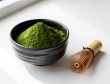
Before you start experimenting in the kitchen, it’s worth understanding the difference between ceremonial grade and culinary grade matcha, because the two are not interchangeable in every context. Ceremonial grade matcha is harvested from the youngest tea leaves, stone-ground to a silky fine powder, and intended for drinking as a traditional tea. Its flavour is nuanced, slightly sweet, and beautifully smooth — qualities that can get lost when baked at high temperatures or mixed with strong flavours.
For most baking and cooking applications, culinary grade matcha is the smarter choice. It’s more affordable, produced from slightly more mature leaves, and has a more robust, grassy flavour that holds its own against butter, sugar, chocolate, and cream. That said, for recipes where matcha is the centrepiece — like a delicate matcha panna cotta or a high-quality matcha ice cream — opting for a premium culinary or even ceremonial grade will reward you with noticeably better colour and flavour complexity. At true-matcha.com, we offer both grades so you can choose the best matcha powder for whatever recipe you’re tackling.
Matcha Recipes to Try at Home
The beauty of matcha in cooking is its versatility. Here are four standout recipes that showcase what this remarkable ingredient can do:
- Matcha Mochi: These pillowy Japanese rice cakes are one of the most iconic matcha desserts. Combine sweet rice flour (mochiko), sugar, coconut milk, and one to two teaspoons of culinary grade matcha powder, then steam or microwave until glossy and elastic. Dust with potato starch and cut into soft, chewy squares. The earthy bitterness of the matcha cuts beautifully through the sweetness, creating an addictive balance.
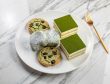
- Matcha Shortbread Cookies: A simple butter shortbread becomes something special with the addition of two tablespoons of matcha powder. The high fat content of butter helps carry the flavour of matcha, resulting in cookies that are buttery, crumbly, and subtly grassy with a gorgeous pale green interior. Roll in sesame seeds before baking for a touch of nuttiness.
- Matcha Tiramisu: This Japanese-Italian fusion dessert swaps the espresso of a classic tiramisu for a strong bowl of whisked matcha tea. Layer matcha-soaked ladyfinger biscuits with whipped mascarpone cream, dust generously with matcha powder between layers, and chill overnight. The result is lighter and more fragrant than the original — a show-stopping dinner party dessert that never fails to impress.
- Matcha Smoothie: One of the easiest ways to add matcha to your daily routine. Blend one teaspoon of culinary grade matcha with frozen banana, a handful of spinach, almond milk, a drizzle of honey, and a spoonful of almond butter for a creamy, energising drink packed with antioxidants and the calm, focused energy that matcha is famous for.
Tips for Baking with Matcha Powder
Matcha is a rewarding but slightly temperamental ingredient to work with. Here are some practical tips to get the best results every time you use it in recipes:
- Sift your matcha: Matcha powder clumps easily. Always sift it together with your dry ingredients — flour, sugar, or cocoa — before incorporating it into your batter or dough. This ensures an even distribution of colour and flavour throughout your bake.
- Balance the bitterness: Matcha has a natural vegetal bitterness that becomes more pronounced in higher quantities. Start with one to two teaspoons per cup of flour and taste as you go. Pair matcha with white chocolate, vanilla, or coconut to complement rather than compete with its flavour.
- Protect the colour: Matcha can turn from a vibrant green to a dull khaki when exposed to high heat or acidic ingredients. Use the lowest baking temperature that the recipe allows, and avoid combining matcha with citrus juice in baked goods.
- Store it correctly: Always keep your matcha powder in an airtight container away from heat, light, and moisture. Degraded matcha loses its vivid colour and much of its flavour — two qualities that are especially important in cooking and baking applications.
The Nutritional Benefits of Cooking with Matcha
Beyond its exceptional flavour and striking colour, one of the reasons matcha has become a favourite among health-conscious home cooks is its impressive nutritional profile. Unlike steeped green tea, where you discard the leaves after brewing, matcha involves consuming the entire leaf in powdered form. This means you get the full benefit of its antioxidants — particularly EGCG (epigallocatechin gallate) — along with L-theanine, a naturally occurring amino acid that promotes calm, focused alertness without the jitteriness associated with coffee. Adding matcha to your baked goods and recipes is one of the simplest ways to incorporate these benefits into foods you’re already enjoying.
Whether you’re baking matcha cookies on a lazy Sunday afternoon, whisking together a silky matcha smoothie before work, or layering a show-stopping matcha tiramisu for a dinner party, there has never been a better time to explore what culinary matcha can do. Ready to elevate your kitchen creations? Explore our range of premium ceremonial and culinary grade matcha powders at true-matcha.com — sourced directly from the finest Japanese tea gardens and perfectly suited for every recipe in your repertoire.