Matcha vs Green Tea: What Is the Real Difference?
Walk into any health food shop or specialty cafe and you will find both matcha and green tea on the menu — but are they really that different? The short answer is yes, dramatically so. While both come from the same plant, Camellia sinensis, the way they are grown, processed, and consumed sets them worlds apart. Whether you are a curious tea lover or a dedicated wellness enthusiast wondering which to add to your daily ritual, this guide breaks down everything you need to know about matcha vs green tea.
How They Are Grown and Processed
The most fundamental difference between matcha and conventional green tea begins long before the leaves ever reach your cup. Standard green tea is grown in full sunlight, harvested, then quickly dried to preserve its fresh, grassy flavour. The result is a pleasant, light brew with moderate health benefits.
Matcha, on the other hand, undergoes a remarkable transformation right from the start. About three to four weeks before harvest, tea plants destined to become matcha are shaded from direct sunlight — traditionally under reed screens or black cloth. This shading process triggers the plant to produce more chlorophyll (deepening its vivid green colour), more L-theanine, and more antioxidants as it strains toward the limited light.
After harvest, the youngest, most tender leaves — called tencha — are steamed to halt oxidation, dried, and then stone-ground into an ultra-fine powder. That powder is matcha. When you drink it, you consume the entire leaf, not just an infusion of it. This is why matcha is often described as one of the most nutrient-dense forms of green tea available, and why the best matcha powder has an intense flavour that regular green tea simply cannot match.
Taste, Colour, and Texture
If you have only ever brewed green tea bags, your first sip of high-quality ceremonial grade matcha may come as a pleasant surprise. Green tea typically offers a light, sometimes grassy or slightly astringent flavour. The colour of a brewed cup ranges from pale yellow to light green depending on the variety and brewing temperature.
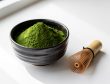
Matcha is an entirely different sensory experience. A good ceremonial grade matcha — the kind used in traditional Japanese tea ceremonies — delivers a rich, full-bodied umami flavour with a natural sweetness and only a gentle bitterness. Its colour is a brilliant, almost luminescent jade green. The texture, when whisked properly with hot water, is smooth and slightly frothy. Culinary grade matcha, used in baking and cooking, tends to be slightly more bitter and less vibrant, making it perfect for matcha lattes, smoothies, and recipes where it is mixed with other ingredients.
Nutrition and Health Benefits Compared
Both matcha and green tea are celebrated for their health benefits, but matcha whole-leaf consumption gives it a significant nutritional edge. Here is how the two compare:
- Antioxidants: Matcha contains dramatically higher levels of catechins, particularly EGCG (epigallocatechin gallate), than brewed green tea. Studies suggest a single serving of matcha can deliver the antioxidant equivalent of up to ten cups of regular green tea.
- L-Theanine: The shading process boosts L-theanine content in matcha well beyond what you would find in standard green tea. This amino acid promotes calm alertness, reduces anxiety, and works synergistically with caffeine to produce a focused, steady energy — none of the jitters you might get from coffee.
- Caffeine: Matcha contains more caffeine per gram than loose-leaf green tea, but since a typical serving uses a small amount of powder, a cup of matcha delivers roughly 30 to 70mg of caffeine. The L-theanine in matcha smooths out the effect, making the energy feel balanced and sustained.
- Chlorophyll: Thanks to the shading process, matcha is exceptionally rich in chlorophyll, which some research links to detoxification and anti-inflammatory effects.
If you are drinking green tea for general wellbeing, you will still enjoy real benefits. But if you want to make the most of green tea health potential, learning how to make matcha at home is one of the best upgrades you can make to your daily routine.
How to Choose and Use Each
Both matcha and green tea have their place depending on your needs and preferences. Loose-leaf green tea — whether a Japanese sencha, a Chinese dragonwell, or a Korean sejak — is wonderfully approachable, affordable, and comes in an enormous range of regional varieties. It is ideal for a relaxed afternoon brew when you simply want a clean, refreshing cup.
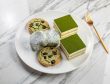
Matcha shines when you want concentrated nutrition, focused energy, or versatility beyond the cup. Once you know how to make matcha at home — whisking half a teaspoon of ceremonial grade matcha with water heated to 70 to 80 degrees Celsius using a bamboo chasen — the ritual itself becomes part of the appeal. With culinary grade matcha, you can blend it into oat milk lattes, stir it into overnight oats, bake it into cookies, or blend it into smoothies without sacrificing flavour.
When buying matcha, colour and origin matter enormously. Look for a vivid, bright green powder — dull or yellowish matcha signals lower quality or age. The best matcha powder comes from Japan premier tea-growing regions: Uji in Kyoto, Nishio in Aichi, and Kagoshima in the south. Avoid blends that list generic green tea powder rather than true stone-ground matcha.
Which Should You Choose?
Matcha and green tea are cousins, not competitors. Green tea is an everyday pleasure — accessible, varied, and genuinely good for you. Matcha is green tea taken to its logical extreme: more concentrated, more nutritious, more complex, and more ritualistic. If you are ready to experience the real difference, true-matcha.com sources only the finest ceremonial and culinary grade matcha direct from Japan most respected tea regions. Explore the full range today and discover why, once you try real matcha, ordinary green tea never quite hits the same way.