Where Does Matcha Come From? Exploring the Origins of Japan’s Most Celebrated Tea

Where Does Matcha Come From? Exploring the Origins of Japan’s Most Celebrated Tea
There is something almost magical about a bowl of freshly whisked matcha — that vivid, grassy-green colour, the complex umami depth, the calm alertness it imparts. But behind every sip lies a story hundreds of years in the making, rooted in specific landscapes, meticulous farming traditions, and a profound respect for the land. Understanding where matcha comes from, and why origin matters so deeply, transforms a simple cup into a rich cultural experience. Whether you are new to Japanese green tea or a seasoned enthusiast searching for the best matcha powder, knowing your terroir is the first step to choosing wisely.
The Birthplace of Matcha: Uji, Kyoto
No conversation about matcha origins is complete without Uji, a small city nestled along the Uji River south of Kyoto. Uji has been synonymous with premium Japanese green tea since the thirteenth century, when the monk Myoan Eisai brought tea seeds from China and the farmer Kozenyuu began cultivating them in soil uniquely suited to tea production. The region’s gentle river mist, mild temperatures, and mineral-rich soil create ideal growing conditions that are almost impossible to replicate elsewhere.
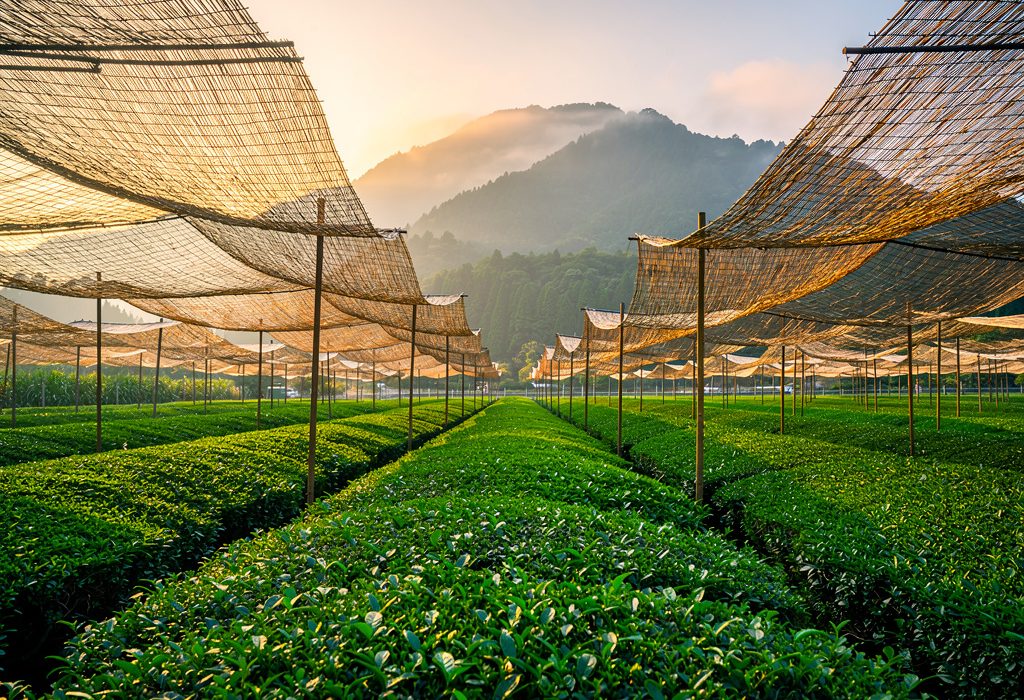
Uji matcha is widely regarded as the gold standard of ceremonial grade matcha. The leaves grown here — principally from cultivars such as Uji Hikari, Samidori, and Gokou — develop an exceptional sweetness and depth when shaded correctly. Tea farmers in Uji have refined the kabuse shading technique over generations: roughly three to four weeks before harvest, the tea bushes are covered with reed screens or black netting, blocking out up to ninety percent of sunlight. Deprived of direct light, the plant produces dramatically elevated levels of chlorophyll (responsible for that vivid green colour) and L-theanine, the amino acid that gives ceremonial matcha its characteristic smooth sweetness and umami finish. If you are looking to buy premium matcha online, a tea sourced from Uji is almost always a safe bet for exceptional quality.
Nishio: The Largest Matcha-Producing Region
While Uji carries the prestige, Nishio in Aichi Prefecture is actually Japan’s largest matcha-producing region by volume, accounting for roughly sixty percent of the country’s total matcha output. Located in the Yahagi River basin, Nishio benefits from fertile alluvial soil, a warm climate, and reliable rainfall — conditions that support high-yield farming without sacrificing quality.
Nishio matcha tends to be slightly milder and less bitter than Uji matcha, making it a popular choice for culinary applications. If you enjoy matcha for baking and cooking — think matcha cookies, lattes, ice cream, and smoothies — Nishio culinary grade matcha delivers a vivid green colour and pleasant grassy flavour at an accessible price point. Many of Japan’s most respected matcha confectionery brands source their powder from Nishio, a testament to the region’s consistent quality and scale.
Kagoshima and the New Wave of Matcha Terroir
Further south, in the Kagoshima Prefecture at the southern tip of Kyushu island, a newer but rapidly growing matcha region has emerged. Kagoshima’s warmer subtropical climate allows for multiple harvests per year and a slightly different flavour profile — typically brighter, fresher, and lighter than the deeper, more complex teas from Uji. The volcanic soil of the region, enriched by proximity to active peaks, lends a mineral quality that is distinctive and prized by those who enjoy exploring the full spectrum of Japanese green tea.
Kagoshima has invested heavily in mechanised farming, allowing it to produce matcha efficiently at scale. This makes Kagoshima-origin matcha particularly attractive for everyday drinking — a reliable, vibrant option that sits between culinary and ceremonial grades. For consumers asking how to make matcha at home on a daily basis without breaking the budget, a quality Kagoshima matcha offers tremendous value.
The Shading Process: The Secret Behind Matcha’s Colour and Flavour
Regardless of which region produces it, the defining step that separates matcha from all other green teas is the shading process. Standard green teas like sencha or gyokuro grow in full or partial sunlight. Matcha, however, demands extended shade — and this single agricultural decision changes everything about the leaf’s chemistry.
Under shade, the plant produces more chlorophyll to compensate for reduced light, resulting in the intensely vibrant green that makes matcha so visually striking. Simultaneously, the reduction in photosynthesis causes a build-up of L-theanine, an amino acid that promotes calm focus and tempers the bitterness that would otherwise dominate. After the first spring flush — known as ichibancha — the leaves are carefully harvested by hand (for higher grades) or machine, then briefly steamed to halt oxidation, dried, and de-stemmed. The resulting material, called tencha, is stone-ground into the ultrafine powder we know as matcha.
The quality of the stone-grinding matters enormously. Genuine high-quality matcha is ground on granite millstones that rotate slowly to prevent heat build-up, which would degrade the flavour compounds. A single stone mill produces only around thirty to forty grams of matcha per hour — one reason why authentic ceremonial grade matcha commands a premium price.
Why Origin Matters When Choosing Your Matcha
Terroir — the French concept linking a product’s character to its place of origin — is just as relevant to matcha as it is to wine or coffee. The latitude, soil composition, microclimate, altitude, and traditional knowledge of a region all leave their imprint on the final powder. A Uji ceremonial matcha whisked in a chawan will taste markedly different from a Kagoshima culinary powder blended into a latte, not because one is better in absolute terms, but because they are designed for different experiences.
When shopping for matcha, look for transparency about origin. Labels that specify the prefecture (Uji, Nishio, Kagoshima, Yame) and the cultivar are a sign of a producer proud of their sourcing. Avoid generic “Japanese matcha” claims with no further detail — these often indicate blended or lower-grade powder.
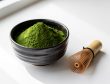
Colour is another reliable guide: the best matcha powder should be a vivid, jade green — never dull, olive, or brownish. Freshness matters too; matcha oxidises quickly once opened, so small-batch sourcing from a trusted supplier makes a meaningful difference to your cup.
At true-matcha.com, every product is sourced directly from trusted Japanese farms with full traceability back to region, cultivar, and harvest season. Explore our range to find the ceremonial and culinary grade matchas that suit your ritual — and taste the difference that origin truly makes.