
How to Make the Perfect Matcha Latte at Home
There is something quietly magical about a well-made matcha latte. The vivid, grassy green of ceremonial grade matcha powder swirling through silky steamed milk, the gentle caffeine lift that arrives without the jitters of coffee — it is the kind of drink that makes you want to slow down and savour the moment. Whether you are a seasoned matcha enthusiast or just beginning to explore the world of Japanese green tea, this guide will walk you through everything you need to know to make a perfect matcha latte at home, from choosing the best matcha powder to mastering your milk-frothing technique.
Choosing the Right Matcha: Ceremonial vs Culinary Grade
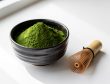
The single biggest factor in a great matcha latte is the quality of the matcha itself. For drinking purposes, you want ceremonial grade matcha — the highest grade of matcha powder, made from the youngest, most tender leaves that are stone-ground to an ultra-fine powder. Ceremonial grade matcha has a naturally sweet, umami-rich flavour with a vibrant emerald colour and minimal bitterness. Culinary grade matcha is perfectly suited for baking and cooking, but when used in a latte it can taste flat and slightly astringent.
When sourcing your matcha, look for powder that is vivid green (not yellowish or dull), has a fine, silky texture, and comes from a reputable Japanese region such as Uji, Nishio, or Kagoshima. At true-matcha.com, we source exclusively from small, trusted farms in these premier growing regions so you can be confident in what you are sipping.
Getting the Ratios and Temperature Right
A common mistake when learning how to make matcha at home is using water that is too hot, which scorches the delicate catechins in the powder and introduces unwanted bitterness. The ideal water temperature for preparing matcha is between 70°C and 80°C (160°F–175°F) — never boiling. If you do not have a temperature-controlled kettle, simply let freshly boiled water stand for three to four minutes before using.
For a standard single-serve matcha latte, the ideal ratio is:
- 1 to 1.5 teaspoons (2–3 grams) of ceremonial grade matcha powder
- 60 ml (2 oz) of hot water at 75°C for whisking
- 150–180 ml (5–6 oz) of your preferred milk
Sift your matcha powder into a small bowl or mug before adding the water — this breaks up any clumps and ensures a smooth, lump-free paste. Whisk briskly in a zig-zag or M-shaped motion using a traditional bamboo chasen whisk until the matcha is fully dissolved and a light layer of fine foam sits on top. If you do not have a chasen, a small electric milk frother works well as a substitute.
Frothing Milk: Oat, Dairy, and Beyond
Milk choice has a huge impact on the final texture and flavour of your matcha latte. Full-fat dairy milk froths beautifully and pairs well with the grassy notes of matcha, providing a creamy, slightly sweet base. Oat milk is arguably the most popular plant-based option — barista-edition oat milk froths almost as well as dairy and has a mild, subtly sweet flavour that complements rather than overpowers the matcha. Avoid rice milk or thin nut milks for frothing, as they tend to produce thin, airy foam rather than the dense, velvety microfoam you are after.
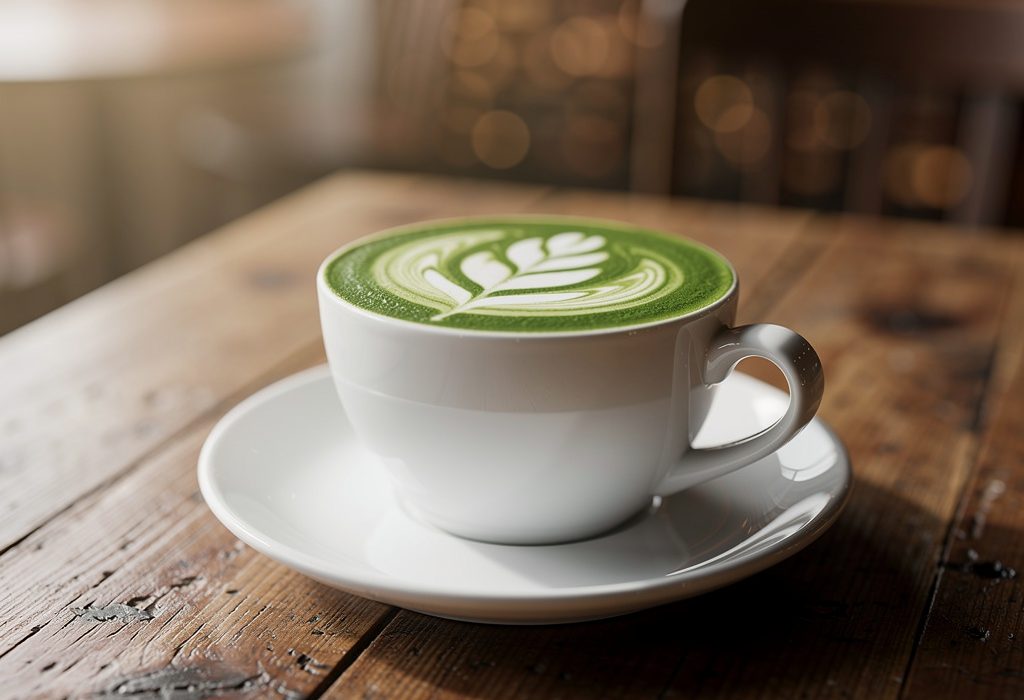
Heat your milk to around 65°C (150°F) — hot enough to feel steamy but not boiling, which can scald the milk and make it taste flat. Froth it using a steam wand, a handheld electric frother, or by shaking it in a sealed jar and microwaving briefly. Pour the frothed milk gently over your prepared matcha base, holding back the foam with a spoon and then spooning it on top for a cafe-quality finish.
Iced Matcha Latte: The Summer Version
The iced matcha latte has become one of the most popular matcha drinks worldwide, and for good reason — it is refreshing, beautiful, and incredibly easy to make. Prepare your matcha concentrate the same way (1.5 teaspoons whisked with 60 ml hot water), then pour it directly over a glass filled with ice. Add cold oat milk or dairy milk and stir gently to combine. The contrast of the dark green matcha concentrate swirling into white milk makes for a visually stunning drink before it is even mixed. For a touch of sweetness, a pump of simple syrup, vanilla, or a drizzle of honey works wonderfully without masking the natural flavour of the matcha.
Ready to experience the difference that premium matcha makes? Explore our collection of ceremonial grade matcha powders at true-matcha.com — sustainably sourced from Japan’s finest tea gardens and delivered fresh to your door. Your perfect matcha latte starts here.